
Creating a healthier indoor environment starts with addressing potential air quality risks, and radon is one of the most common concerns for property owners in Newton. Because radon gas cannot be seen or smelled, many homes and buildings may have elevated levels without anyone realizing it.
This naturally occurring gas develops in the soil and can move into homes through foundation cracks, floor joints, crawl spaces, and other small openings. Once trapped indoors, radon concentrations can rise over time. Long-term exposure to high radon levels has been linked to serious health risks, including lung cancer.
At Milledge Construction, we provide trusted radon mitigation and monitoring services for residential and commercial properties throughout Newton and surrounding Iowa communities.
From single-family homes and apartment buildings to schools and commercial facilities, our knowledgeable team delivers customized radon mitigation solutions in Newton focused on reducing radon levels, improving indoor air quality, and helping protect the people inside your property.
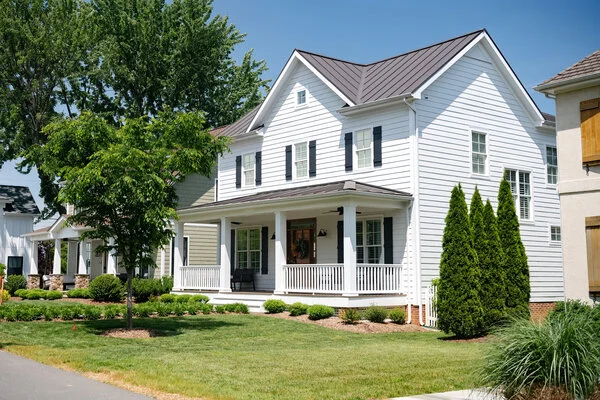
Radon is a naturally occurring radioactive gas that seeps into homes through cracks in foundations, gaps around pipes, and other openings. Because it’s colorless, odorless, and tasteless, the only way to detect radon is through radon testing. Without proper mitigation, radon levels can accumulate to dangerous concentrations, increasing the risk of serious health issues.
Because of local soil conditions and the way many structures are built in the area, properties in Newton can be at a higher risk for elevated radon levels. Whether you are purchasing a home, updating your current property, or wanting to ensure a healthier indoor environment, routine radon testing is an important step in protecting your space and the people inside it.
Radon is an invisible, odorless gas that forms naturally in the ground as uranium in soil and rock breaks down. Because it’s part of Iowa’s natural geology, radon can move upward through the soil and slip into homes, schools, and businesses through tiny cracks or openings in the foundation. Once inside, it can accumulate to unsafe levels, especially in basements and lower floors.
What makes radon especially dangerous is that it’s radioactive. When breathed over time, these particles can damage lung tissue and increase the risk of lung cancer. In fact, radon exposure is the second leading cause of lung cancer in the U.S., and Iowa ranks among the highest states for average radon levels.
At Milledge Construction, we take this threat seriously. Our certified professionals provide effective mitigation solutions to keep Newton homes and workplaces safe, healthy, and compliant with EPA guidelines.
Contact us today to learn more about our mitigation systems in Newton, IA.
Radon is created naturally as elements in the soil and rock beneath your property begin to break down over time. In Iowa, this radioactive gas is common and can move upward through the ground, entering homes and buildings through cracks, gaps, and other small foundation openings. Because radon has no color, smell, or taste, it can collect indoors without homeowners ever noticing, particularly in basements, crawl spaces, and lower-level living areas.
Any property can experience elevated radon levels, regardless of its age, size, or construction style. New homes, older homes, rural properties, and commercial buildings all have the potential for radon intrusion.
During inspections throughout Iowa, these are some of the most common areas where radon enters a structure:
Even hairline cracks in concrete slabs or basement walls can provide an easy path for radon to move from the soil into your home.
The seams where different parts of your foundation meet—such as walls and floors—often leave small gaps that allow radon to leak in over time.
Openings made for pipes, wiring, and utility lines create pathways for radon to follow the same route as air and moisture from the soil.
These below-grade spaces often have direct contact with the soil, making them prime areas for radon infiltration if not properly sealed or vented.
Empty spaces within walls can act like conduits, spreading radon from the lower parts of your home to living spaces above.
Radon can dissolve into groundwater and be released into the air when you use faucets, showers, or washing machines.
Brick, block, and mortar can allow slow movement of soil gases through capillary action, particularly in older structures.
Negative air pressure inside your home—caused by HVAC systems or exhaust fans—can actually pull radon in from the ground through small gaps.
Where the floor slab meets the foundation wall, tiny separations or settling can open enough space for radon to enter and spread.
Please use the form on this page to email us. You can also call (641) 646-8069 to speak with us directly. Our team looks forward to hearing from you soon.
Milledge Construction helps Newton residents and property owners maintain safe, healthy indoor air.
We proudly work with: